
The authentic handmade Gurkha khukuri has skyrocketed in its appeal to collectors, enthusiasts, and survivalists alike! As the market becomes oversaturated with cheap-quality, mass-produced fakes, it’s critical to know the signs of a real handcrafted mini kukri. A traditional Nepali kukri originates from centuries of skilled artisanship in Nepal, making this item more than just a tool; it’s also a record of history and a cultural treasure.
In this article, we will provide five key indicators you should look for when purchasing an authentic handcrafted mini kukuri so that you can be confident that you are investing in a quality product that is authentic, will perform well over time, and will provide you with many years of service.
What Is a Handmade Gurkha Khukuri?
Kukri (or khukuri) is a traditional curved knife that has been used for thousands of years as part of Nepalese culture. The Gurkhas were the main users of this type of blade, which has been made by Kamis (craftsmen) who have inherited their skills from previous generations.
The handmade versions differ from the mass-produced alternatives in that they are uniquely shaped, hand-forged, and polished with care, considering the balance, weight, and curve of the blade. Collectors and outdoor enthusiasts prefer the handmade versions due to their superior performance, durability, and original cultural roots.
Why Authenticity Matters When Buying a Kukri Knife
Purchasing an authentic mini kukri is not only about being practical but also about delivering a quality product with an emphasis on producing excellent results through craftsmanship. For example, fake kukris have very weak steel in the blade, blades are not well balanced, and the handles made from synthetic materials are unsafe and not useful.
Also, if you buy an authentic kukri, you are supporting ethical imports from the Himalayas while helping to keep a 300-year-old tradition of Gurkha style knife-making alive. An authentic kukri will help you obtain good performance, increase the value of a collector’s item, and maintain cultural integrity.
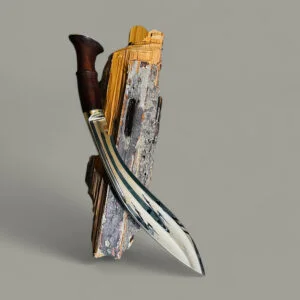
Sign 1: Hand-Forged Blade with Visible Craft Marks
When looking for an authentic handmade kukri, you will see:
- Natural hammer marks on the blade indicate that the blade is forged by hand.
- A curved blade and balanced weight make the knife useful and appropriate for use as a weapon.
- A few slight imperfections demonstrate that the knife was crafted as an individual piece of art.
In contrast, mass-produced blades have very smooth, even finishes, which are one of the most apparent indicators of inauthenticity.
Sign 2: Traditional Materials Used in Handle and Scabbard
Authentic miniature kukris employ traditional materials for both handles and scabbards.
- Handles: wood, horn, or bone
- Scabbards: hand-made leather or wooden covers that are sometimes decorated with brass fittings.
Replica products may be made from synthetic plastic, low quality composite materials, and often lack the cultural details that make a real Gurkha knife. The real kukri adheres to the design traditions of Nepal in every aspect including the curvature of its handle and the stitching of its scabbard.
Sign 3: Proper Blade Shape and Full Tang Construction
The distinctive curve of a kukri is not just for show; it’s functional as well.
- The full tang (the solid piece of metal that extends all the way through the handle) provides durability as well as balance.
- Partial tangs (the steel not extending through the handle) are common in replica kukris; thus, their strength can be compromised.
- Authentic kukris follow traditional proportions, ensuring the blade’s center of gravity supports precise chopping and utility tasks
When you purchase a knife with the proper geometry and tang, they will last for you forever!
Sign 4: Origin Transparency and Himalayan Imports Verification
Proof of authenticity often relates to where your kukri was manufactured.
- Most authentic Kukris will come from Nepal or its bordering country in the Himalayan region.
- When purchasing a Kukri, use trusted retailers who provide proof of your purchase through product descriptions/provenance and/or documentation.
- If the supplier cannot prove or has a lack of clarity on where their product originates, always be cautious of low-grade/counterfeit knives.
It is essential to check if the supplier has produced a detailed description of their supply. This is one of the most important steps in establishing authenticity and confidence in the supplier.
Also Explore: Origin of the Kukri Knife
Sign 5: Reputation of the Maker or Seller
Finally, a handmade kukri’s authenticity is often reflected in the craftsman or seller:
- Experienced Gurkha blacksmiths or trusted brands have decades of tradition
- Look for reviews, testimonials, and educational content about kukri-making
- Reputable sellers help buyers understand the history, materials, and construction of each knife
Highly regarded manufacturers continue the centuries-old heritage of Gurkha craftsmanship by providing their customers with mini kukris that are usable and collectible.
How to Avoid Fake or Machine-Made Kukri Knives
It is important to avoid buying a counterfeit or manufactured Kukri knife for both safety reasons and value purposes; below are some things to take into account when considering an authentic Gurkha Kukri:
- Price that is too low: If the price of a handmade Gurkha Kukri from a vendor is significantly lower than other similar products then that knife is likely to be fake or counterfeit; this is due to the fact that making a genuine Kukri takes time to create and use skilled craftsmen as well as high-quality material.
- Poor blade balance or weak steel: Mass-produced blades often use low-grade steel that bends, chips, or loses its edge quickly. Authentic kukris have a perfectly weighted blade that balances the handle and provides smooth, safe chopping or slicing.
- Overly polished, identical designs: Every handmade kukri is unique. If multiple knives look identical with mirror-like perfection, they are probably factory-made. Look for natural hammer marks, slight irregularities, and handcrafted details that indicate human skill.
- Check the seller’s credibility: Research the seller’s background, reviews, and history. Reputable dealers will provide documentation of origin, materials used, and crafting process. Buying from verified sources is the safest way to ensure your kukri is authentic and durable.
- Ask questions about construction: Don’t hesitate to inquire about tang type, blade heat treatment, or handle materials. Genuine craftsmen are transparent and proud of their methods, while counterfeit sellers often avoid technical questions.
Who Should Buy a Handmade Mini Kukri?
Mini kukris that are made by hand are not just knives; they’re cultural artifacts, tools of everyday use, and collector’s items. Here are four markets for the mini kukri:
- Traditional weapon collectors: If you’re a collector of traditional weapons, a handmade mini kukri has a special place in your collection and represents both Gurkha heritage and Nepalese history.
- Outdoor enthusiasts and survivalists: A handmade mini kukri’s curved blade, durability, and balance make it the perfect tool for camping, hiking, bushcraft, or any other type of survival situation.
- People who love cultural heritage: A genuine handcrafted kukri will provide you with a connection to the craftsmanship of Nepal, which has existed for centuries, and will enhance your understanding of the cultural significance of Gurkha knives.
- Gift buyers looking for handmade-quality items: A handmade mini kukri makes a unique and meaningful gift for any person interested in history, culture, and high-quality tools.
- Investors in heritage tools: Authentic kukris will maintain or appreciate in value over time and therefore are not merely functional equipment; they are also considered collectible investments.
Final Thoughts
When buying a mini kukri, check these 5 important indicators:
- The blade is hand-forged and shows signs of craftsmanship.
- Handles and scabbards made in traditional materials
- The shape of the blade is correct and has a full tang
- The knife comes from Nepal or Tibet
- The maker/seller is reputable.
Owning an authentic mini kukri isn’t just a purchase, it’s a connection to a legacy of craftsmanship that has lasted centuries. By choosing authenticity, you honor the Gurkha tradition while enjoying a reliable, durable, and beautiful tool.