
In the United States, interest in the handmade kukri knife has increased significantly in the recent past. Many collectors, outdoor enthusiasts, and gift recipients see the kukri as not only a blade but also an extension of ancient culture and history. In addition, the unique and interesting backstory of the handmade kukri makes it appealing to those wanting to add a knife to their collection. A kukri knife that is handmade represents years of tradition, functionality, and craftsmanship that has been passed down through the generations, while a factory-made knife does not carry this same significance.
There are risks involved with buying a handmade kukri on the internet, particularly if you are not familiar with what to watch for in a knife. Many sellers use the terms “authentic” or “traditional” in their listings, but these sellers often do not represent true Nepali craftsmanship. Understanding a few key factors can help buyers avoid replicas and choose a kukri knife that delivers both performance and heritage.
This guide outlines the five most important things USA buyers should check before ordering a handmade kukri knife, whether it’s for collection, outdoor use, survival, or meaningful gifting.
Why USA Buyers Are Choosing Handmade Kukri Knives
Handmade blades are quickly becoming popular in the USA. More buyers are moving towards buying items with character and long-term value as opposed to mass-produced ones.
A handmade kukri differs from factory-made knives in some very important ways, including that they are forged with intention, created by highly skilled individuals rather than machines, and designed with real-life use in mind. Authenticity carries much weight when it comes to cultural significance but also has much to do with balance, durability, and performance.
A kukri is viewed by most USA customers as not only a tool but also an artifact of utility representing history, skill, and confidence in the traditional/artisan history of blade making.
1. Authenticity of the Kukri Knife and Its Origin
To be authentic, one must verify that the kukri knife (khukuri) has been actually manufactured in Nepal, where this skill has been practiced for hundreds of years. The kukri knife is an intrinsic part of Nepali culture and is made using techniques that go back many years through family lines of artisans producing blades.
Many mass-produced replicas imitate the kukri’s curved shape but are manufactured outside Nepal using industrial processes. These replicas often lack proper balance, steel treatment, and durability.
How a kukri performs is directly influenced by where it was made. Traditional Nepali kukris are built with a forward weight and solid spine and using steel made from experience. If you are purchasing a kukri from a seller in the USA, you should always verify where the kukri was made and how well the seller explains the origin.
Also Explore: The Origin of the Kukri Knife
2. Craftsmanship and Handmade Construction Quality
Not all “handmade” claims mean the same thing.
USA buyers should look closely at how the kukri knife is constructed. A true handmade kukri knife is hand-hammered, shaped, and finished by skilled craftsmen; not laser-cut or machine-stamped and then polished.
Here are some key construction details for you to evaluate:
- Blade-type (hand-forged vs. machine-made)
- Type of shaft (full tang for strength/safety)
- Thickness of spine (for durability)
- Natural balance when held
Handmade kukri knives often show slight variations in shape, finish, or hammer marks. These are signs of authenticity, not defects. Uniform perfection usually indicates factory production rather than traditional craftsmanship.
3. Steel Quality and Blade Performance
The quality of steel used in a kukri’s blade has a vital effect on its performance for years into the future.
Most traditional kukri blades are forged using high carbon steel, which provides the best in edge retention, toughness, and ease of sharpening for outdoor use and extended ownership. In contrast, beyond marketing hype, American consumers should consider how they will be using their kukri knife when making a purchase. A khukuri is made to provide strength and impact, as well as durability, not just a razor-sharp edge! A handmade high-carbon kukri, when well looked after, can develop a unique character over time and maintain its functional capability for decades.
An ethical merchant will not exaggerate claims about their product, instead providing reliable information about steel properties and performance characteristics, along with maintenance and proper usage.
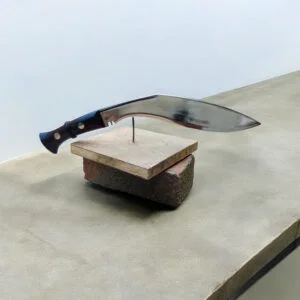
4. Handle Material, Grip, and Safety
The handle of a kukri is equally important to the blade.
There are many materials available for the handle, such as hardwood, horn, and modern composites (micarta). Each has different properties; however, the focus should be on comfort and grip for US customers who will be using their kukri outdoors or for utility purposes.
When purchasing a kukri, the buyer should:
- Make sure the handle fits securely onto the tang.
- Determine if the grip feels comfortable and well-balanced.
- Check to see if the shape of the handle permits long-term use.
A handle that does not fit properly could pose a safety risk to the user while chopping or performing heavy tasks. A high-quality handmade kukri handle and blade have been designed to provide a much more balanced feel, giving the user greater control when using the weapon.
Sheath Quality, Accessories, and Legal Awareness in the USA
A traditional kukri comes with more than just a blade.
Most authentic kukri khukuri sets include a handcrafted sheath, often made from leather and wood. Many also include small utility tools such as the karda and chakmak, traditionally used for light cutting and blade maintenance.
When purchasing a kukri in the U.S., be sure to:
- Check the sheath’s construction and durability.
- Make sure the blade fits correctly in the sheath.
- Know what accessories are included and their intended use.
It’s also important to be aware of local and state knife laws in the USA. While kukri knives are legal in many areas, regulations vary by state and municipality. Responsible buyers should always check local laws before ordering.
This awareness reflects informed ownership, not restriction and it helps ensure a confident buying experience.
Also Explore: Mini Kukri vs Full-Sized Kukri Knife – Which One Should You Buy?
Common Mistakes USA Buyers Make When Ordering a Handmade Kukri
Buyers make many common mistakes without realizing it:
- They make price their main reason for buying as opposed to price or authenticity.
- They don’t ask about where a knife was made or who made it.
- They don’t check what the size and weight of the blade are.
- They assume that all kukri knives are equal.
A kukri knife is a specialized tool. Taking time to understand its construction and purpose leads to better satisfaction and long-term value.
How to Choose a Trusted Seller for Handmade Kukri Knives
Choosing the right seller is as important as choosing the right blade. Trusted sellers typically demonstrate:
- Transparency regarding their source of origin and materials
- Providing well-defined descriptions of their products
- Utilizing genuine, real-life photographs of the items they sell (as opposed to stock images)
- Substantial experience working with traditional blade artisans
- Reliable international shipping to the USA
Expert kukri producers or sellers do not apply pressure; they focus on educating customers about their product(s). The sellers of the blades acknowledge their responsibility for representing traditional craftsmanship on an international level.
Conclusion
Buying a handmade kukri knife is not just a purchase, it is a long-lasting investment, one that will give you years of performance, cultural history, and craftsmanship. Buyers in the U.S. should be aware of authenticity, construction quality, steel performance, safety, and the credibility of the seller when selecting a kukri knife.
When you purchase a kukri knife, you will be using it as a tool for many years; it will also be a collector’s item, now being part of your heritage.
By being informed about these factors when selecting your kukri knife, you will end up with a knife that represents its cultural heritage while also having value for a lifetime.